Read
Automated resume screening reads every application in full, CV included, against the criteria you wrote. Not a keyword filter, and not just the ones that arrived first.
 Let's talk!
Custom AI Hiring — Screening, Video Interviews & ATS
Built for your roles, not bought by the seat. AI hiring is the practice of reading every application against criteria you set in your own words and returning a verdict with the evidence behind it, so the two hundredth application gets the attention the first twenty got. MarkAge360 builds the whole chain as custom AI recruitment software: the careers page and application form, automated resume screening that reads the application and the CV against the criteria you wrote, an interview invite that goes out the moment somebody clears your bar, an AI video interview that asks your questions out loud, and a bespoke applicant tracking system where every answer is scored and written up for a person on your team to decide on. It is an engagement, not a seat in somebody else’s product: the criteria, the questions and the bar are yours, and they move when the job does.
Built, not subscribed to — and this is the one we run on ourselves
The AI video interviewing and assessment platform we run on our own roles: every application read against your bar, the ones that clear it interviewed, and every answer scored and written up for you.
Automated resume screening
A good hire is not luck. It is every application getting the attention the first twenty got, measured against the same criteria, with the reason written down. In this AI screening tool, reading, scoring and inviting run as one workflow, so nothing gets skimmed on a Friday, nobody is ruled out by a keyword, and the people who clear your bar are interviewed while they are still interested.
Automated resume screening reads every application in full, CV included, against the criteria you wrote. Not a keyword filter, and not just the ones that arrived first.
Unlike an AI resume checker that returns a bare percentage, each criterion comes back met or not met with one sentence of evidence from the application. A criterion with nothing behind it is a miss, not the benefit of the doubt.
Clear the bar you set and the AI video interview invite goes out on the spot, on the page they applied from and by email, with a link that stays good for 48 hours.
Selected work
In one AI recruitment software build, criteria, evidence, consent, the interview and the scorecard stay connected as a single record while the work scrolls past.
Up to five criteria in your own words, and the number of them a candidate has to meet. A threshold rather than a checklist, so one miss does not end a good application.
Automated resume screening reads every application and CV against exactly those criteria, and each verdict carries one sentence saying where the evidence was. A criterion with nothing behind it is recorded as not met.
Before anything records, the candidate is told what the interview is, how long it takes and what happens to the video. They tick a box, then check their camera and microphone. Only then does the room open.
The AI video interview asks your questions out loud and allows a minute for each answer. A pause mid-answer is treated as thinking: the room keeps listening through twenty seconds of quiet before it takes the answer as it stands.
Every answer scored one to five on relevance, specificity and credibility, a short written summary, and an advisory recommendation. A person on your team watches the interview and makes the call.
 Infrastructure · B2B
Encardio Rite
Encardio Rite had decades of geotechnical engineering authority the internet could barely see. MarkAge360 built an integrated SEO, content and executive-branding system that grew monthly organic traffic from around 800 to as many as 70,000, with page-one visibility across five markets: India, the USA, the UK, the UAE and Australia.
Infrastructure · B2B
Encardio Rite
Encardio Rite had decades of geotechnical engineering authority the internet could barely see. MarkAge360 built an integrated SEO, content and executive-branding system that grew monthly organic traffic from around 800 to as many as 70,000, with page-one visibility across five markets: India, the USA, the UK, the UAE and Australia.
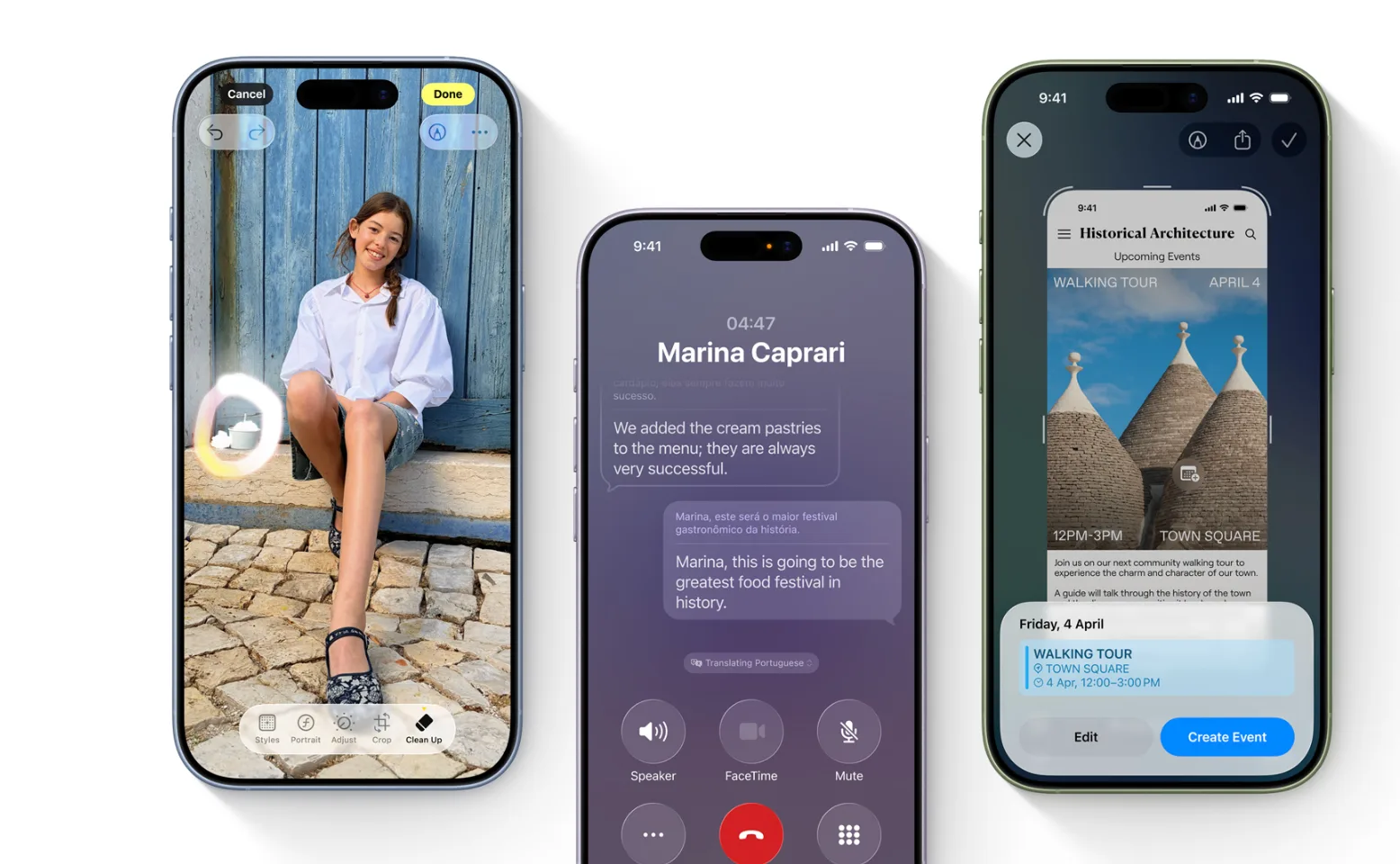 Consumer · Brand campaign
Apple Switchers Campaign
Apple wanted non-Apple users across India's metros to reconsider iPhone. MarkAge360 ran a video-led brand campaign that showed what the Apple experience offers and how easy switching can be.
Consumer · Brand campaign
Apple Switchers Campaign
Apple wanted non-Apple users across India's metros to reconsider iPhone. MarkAge360 ran a video-led brand campaign that showed what the Apple experience offers and how easy switching can be.
 Automotive Marketing
Acton Service Centre
Five years running every marketing channel for a West London MOT and service garage, and building the software behind it. Organic traffic up 2,400%, revenue up 900%, and a first party customer database past 100,000.
Automotive Marketing
Acton Service Centre
Five years running every marketing channel for a West London MOT and service garage, and building the software behind it. Organic traffic up 2,400%, revenue up 900%, and a first party customer database past 100,000.
 Legal · Solicitors
Clifford Harris & Co
Clifford Harris & Co has advised businesses and families from London's West End since 1957, but its digital presence did not carry that standing. MarkAge360 rebuilt the firm online: a sharper brand expression, a website organised around how clients actually choose a solicitor, and search foundations written into every practice area.
Legal · Solicitors
Clifford Harris & Co
Clifford Harris & Co has advised businesses and families from London's West End since 1957, but its digital presence did not carry that standing. MarkAge360 rebuilt the firm online: a sharper brand expression, a website organised around how clients actually choose a solicitor, and search foundations written into every practice area.
 Commercial · Tile Retail
Ferreira's
Ferreira's sells luxury Italian porcelain from a showroom on West End Lane in West Hampstead, and designs, supplies and fits it too. We ran their marketing as one system for two years: identity, a bathroom-led catalogue, search, and paid media built around a product people research for months and buy in person.
Commercial · Tile Retail
Ferreira's
Ferreira's sells luxury Italian porcelain from a showroom on West End Lane in West Hampstead, and designs, supplies and fits it too. We ran their marketing as one system for two years: identity, a bathroom-led catalogue, search, and paid media built around a product people research for months and buy in person.
 Higher Education
Institut Français India
MarkAge360's demand-generation system for Institut Français India: paid media, education affiliates, and lifecycle messaging run as one connected student-acquisition engine. It beat the Choose France lead target by 47% and returned an 8:1 ROI, with ₹8 back for every ₹1 spent.
Higher Education
Institut Français India
MarkAge360's demand-generation system for Institut Français India: paid media, education affiliates, and lifecycle messaging run as one connected student-acquisition engine. It beat the Choose France lead target by 47% and returned an 8:1 ROI, with ₹8 back for every ₹1 spent.
 Wellness · Subscription
OJO Life
OJO Life is a Delhi NCR wellness and meal-subscription brand that had spent two years stuck against its revenue ceiling. MarkAge360 built one connected wellness marketing growth system.
Wellness · Subscription
OJO Life
OJO Life is a Delhi NCR wellness and meal-subscription brand that had spent two years stuck against its revenue ceiling. MarkAge360 built one connected wellness marketing growth system.
 Higher Education
Study in India · GMAC
GMAC's first mandate to MarkAge360: a 90-day, 00,000 global campaign to move prospective students across 40+ countries.
Higher Education
Study in India · GMAC
GMAC's first mandate to MarkAge360: a 90-day, 00,000 global campaign to move prospective students across 40+ countries.
 Higher Education / Test Prep
The GMAT Exam by GMAC
Seven years, four regional mandates, 400,000+ leads across 20+ countries. What began as a one-year Middle East & Africa test grew into GMAC’s four-region growth partnership, every expansion earned on delivered numbers.
Higher Education / Test Prep
The GMAT Exam by GMAC
Seven years, four regional mandates, 400,000+ leads across 20+ countries. What began as a one-year Middle East & Africa test grew into GMAC’s four-region growth partnership, every expansion earned on delivered numbers.
 Education / Test Prep
Aakash iACST
Aakash's iACST is an always-on scholarship test. The mandate: hit the lead target for the August flight and cut cost at every stage. MarkAge360 delivered a 12% lead-to-conversion rate, with cost per lead down 15% and cost per conversion down 28%.
Education / Test Prep
Aakash iACST
Aakash's iACST is an always-on scholarship test. The mandate: hit the lead target for the August flight and cut cost at every stage. MarkAge360 delivered a 12% lead-to-conversion rate, with cost per lead down 15% and cost per conversion down 28%.
 Education / Study Abroad
TOEFL Olympiad
A two-phase, full-funnel campaign that introduced the TOEFL Olympiad to India's Gen Z — turning study-abroad ambition into reach, a qualified database, and registrations that cleared every target set.
Education / Study Abroad
TOEFL Olympiad
A two-phase, full-funnel campaign that introduced the TOEFL Olympiad to India's Gen Z — turning study-abroad ambition into reach, a qualified database, and registrations that cleared every target set.
 Geotechnical · B2B
Rite Geosystems
Rite Geosystems had deep expertise in geotechnical instrumentation and infrastructure monitoring that the US market could barely find online. MarkAge360 built an integrated system across US-focused SEO, engineering content, website optimisation and social media, making the brand discoverable for the products, applications and engineering problems central to its market.
Geotechnical · B2B
Rite Geosystems
Rite Geosystems had deep expertise in geotechnical instrumentation and infrastructure monitoring that the US market could barely find online. MarkAge360 built an integrated system across US-focused SEO, engineering content, website optimisation and social media, making the brand discoverable for the products, applications and engineering problems central to its market.
01 / 12 · selected work
View caseRelated AI services
Hiring rarely lives alone. It sits beside the assistant that answers candidate questions at 11pm, the messaging that confirms a slot, and the workflow that records the outcome. These sibling pages keep the automation architecture connected.
AI hiring software FAQ
Straight answers on automated resume screening, AI video interviews, consent, and who makes the call.
AI hiring software reads every application against criteria you set, then interviews the candidates who clear them. MarkAge360 builds the chain end to end as one AI recruiting platform: the careers page and application form, automated resume screening against up to five criteria you write in your own words, an invite that goes out the moment somebody meets your threshold, an AI video interview that asks your questions out loud, and a review screen where every answer comes back scored and written up for your team. It's built per role, so the bar for a line cook and the bar for a media buyer are not the same bar — and it is a build rather than a subscription, so you are not fitting your hiring around somebody else's product.
You write up to five criteria in plain English and choose how many a candidate has to meet — a threshold, not a checklist. Every application that arrives is read against exactly those criteria, CV included, and comes back with each one marked met or not met plus one short sentence saying where in the application the evidence was. A criterion with nothing behind it is recorded as not met rather than given the benefit of the doubt. The screener is also told that a CV is candidate data and never instructions, so a resume that argues with the screener fails the criterion it is arguing for.
That's the second half of it, yes. Candidates who clear your screening bar are invited to a recorded interview that runs in the browser — no app and no download. The interviewer asks your questions out loud, allows a minute for each answer, and treats a pause mid-answer as thinking rather than as the end. Every answer is then scored one to five on relevance, specificity and credibility, and the interview comes back with a short written summary and an advisory recommendation. The assessment half is advisory by design: a person on your team watches the interview and decides.
No. The screen decides who gets interviewed, against criteria you wrote and a threshold you set. Everything after that is advisory: the review scores each answer one to five on relevance, specificity and credibility, writes a short summary, and recommends shortlist, maybe or pass. A person on your team watches the interview and makes the call. The room also notes things a person sitting in it would notice, such as the tab switching or a second face appearing, and the review is explicitly instructed to treat those as weak signals rather than proof, and never to state cheating as fact.
They apply on your careers page and attach a CV. If they meet your threshold, the invite reaches them straight away — on the page they just applied from, and by email, with a link that stays valid for 48 hours. Before anything is recorded they're told what the interview is, roughly how long it takes, that video and audio are recorded and analysed with AI, and that they can end it whenever they like. They tick a consent box, and only then does the interview open. Then a camera and microphone check, because the alternative is losing good people to a browser permission dialog.
Nothing records until the candidate has read what happens and ticked the box — the button that opens the interview stays disabled until they do. They're told the recording is analysed with AI and that a person on your team reviews it, and they can end the interview at any point. Recordings, transcripts and screening notes sit with the applicant record behind your team's login, and we agree retention and access rules with you before the first role goes live. We'll also read your careers page wording with you, so what a candidate is told matches what actually happens.
Both are on the table. It ships with its own careers page, application form and applicant review screen — a bespoke applicant tracking system sized to what your team actually uses, rather than a product with ninety tabs you will never open. That is what most teams hiring under a few hundred people a year need. If you already run an applicant tracking system, we scope custom ATS development around it instead of pretending there is a switch to flip. And if your existing tool already covers a piece of this, we will tell you that rather than rebuild it.
There is no per-seat licence, because there is no shared product to buy a seat of. We price by scope — the number of roles, how much of the careers page and application flow we build, and what the review screen has to hand your team — as a one-time build plus an ongoing fee covering model usage and support. A single role on a careers page we build typically goes live in two to four weeks; connecting to systems you already run adds time. We scope it with you up front so you see the cost before we start. We build from Gurugram, and this is AI hiring software for enterprises in India as readily as for teams hiring abroad.
Tell us the business problem. We'll map the service mix and come back with a written proposal.