Discovery & architecture
We map users, journeys, data flows, permissions, device needs, offline sync, and backend logic to define the right app architecture.
 Let's talk!
Mobile App Development
Mobile app development is the work of designing, engineering, and shipping native and cross-platform apps for iOS and Android — consumer products, internal tools, and revenue-driving apps. MarkAge360 builds full-stack mobile apps with sound architecture, secure APIs, offline sync, and the speed and reliability that keep users opening the app and the business growing.
Mobile app approach
We engineer with intent — grounded in architecture, driven by data, and built for change. Product thinking, native and cross-platform engineering, offline-first data, and release automation run as one workflow, so every app we ship is fast, reliable, store-ready, and built to grow with the business.
We map users, journeys, data flows, permissions, device needs, offline sync, and backend logic to define the right app architecture.
We build the app UI, backend, APIs, authentication, notifications, device features, and third-party integrations in stable, testable sprints.
We test on real devices, harden security, optimise performance, manage App Store and Play Store releases, and monitor crashes as usage grows.
Selected work
Architecture, prototyping, native and cross-platform engineering, integrations, QA on real devices, and post-launch reliability stay connected while the work scrolls past.
The domain model, data flows, API contracts, stack choices, and non-functional targets are mapped before code starts.
Core screens, user roles, states, and edge cases are pressure-tested in clickable prototypes before the build commits.
A typed component library, design tokens, and accessible patterns become the app's reusable interface language.
App UI, back end, offline sync, auth, push, integrations, automated tests, and CI/CD ship to the App Store and Play as one release surface.
Performance, error rates, uptime, security posture, usage analytics, and the next iteration backlog are reviewed after launch.
 Infrastructure · B2B
Encardio Rite
Encardio Rite had decades of geotechnical engineering authority the internet could barely see. MarkAge360 built an integrated SEO, content and executive-branding system that grew monthly organic traffic from around 800 to as many as 70,000, with page-one visibility across five markets: India, the USA, the UK, the UAE and Australia.
 Consumer · Brand campaign
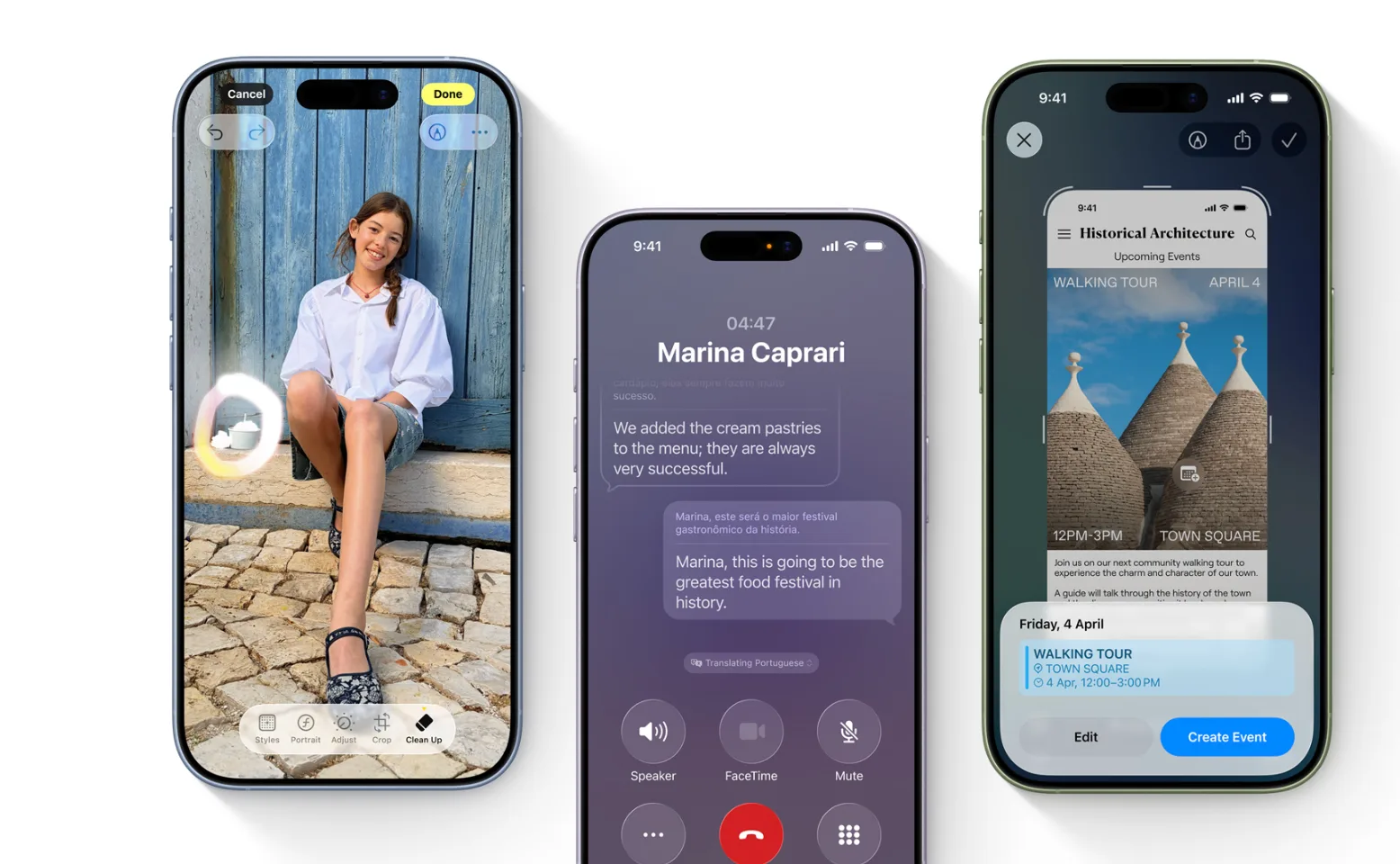
Apple Switchers Campaign
Apple wanted non-Apple users across India's metros to reconsider iPhone. MarkAge360 ran a video-led brand campaign that showed what the Apple experience offers and how easy switching can be.
 Automotive Marketing
Acton Service Centre
Five years running every marketing channel for a West London MOT and service garage, and building the software behind it. Organic traffic up 2,400%, revenue up 900%, and a first party customer database past 100,000.
 Legal · Solicitors
Clifford Harris & Co
Clifford Harris & Co has advised businesses and families from London's West End since 1957, but its digital presence did not carry that standing. MarkAge360 rebuilt the firm online: a sharper brand expression, a website organised around how clients actually choose a solicitor, and search foundations written into every practice area.
 Commercial · Tile Retail
Ferreira's
Ferreira's sells luxury Italian porcelain from a showroom on West End Lane in West Hampstead, and designs, supplies and fits it too. We ran their marketing as one system for two years: identity, a bathroom-led catalogue, search, and paid media built around a product people research for months and buy in person.
 Higher Education
Institut Français India
MarkAge360's demand-generation system for Institut Français India: paid media, education affiliates, and lifecycle messaging run as one connected student-acquisition engine. It beat the Choose France lead target by 47% and returned an 8:1 ROI, with ₹8 back for every ₹1 spent.
 Wellness · Subscription
OJO Life
OJO Life is a Delhi NCR wellness and meal-subscription brand that had spent two years stuck against its revenue ceiling. MarkAge360 built one connected wellness marketing growth system.
 Higher Education
Study in India · GMAC
GMAC's first mandate to MarkAge360: a 90-day, 00,000 global campaign to move prospective students across 40+ countries.
 Higher Education / Test Prep
The GMAT Exam by GMAC
Seven years, four regional mandates, 400,000+ leads across 20+ countries — work that began at King Crescent and moved to MarkAge360 at founding. What began as a one-year Middle East & Africa test grew into GMAC’s four-region growth partnership, every expansion earned on delivered numbers.
 Education / Test Prep
Aakash iACST
Aakash's iACST is an always-on scholarship test. The mandate: hit the lead target for the August flight and cut cost at every stage. MarkAge360 delivered a 12% lead-to-conversion rate, with cost per lead down 15% and cost per conversion down 28%.
 Education / Study Abroad
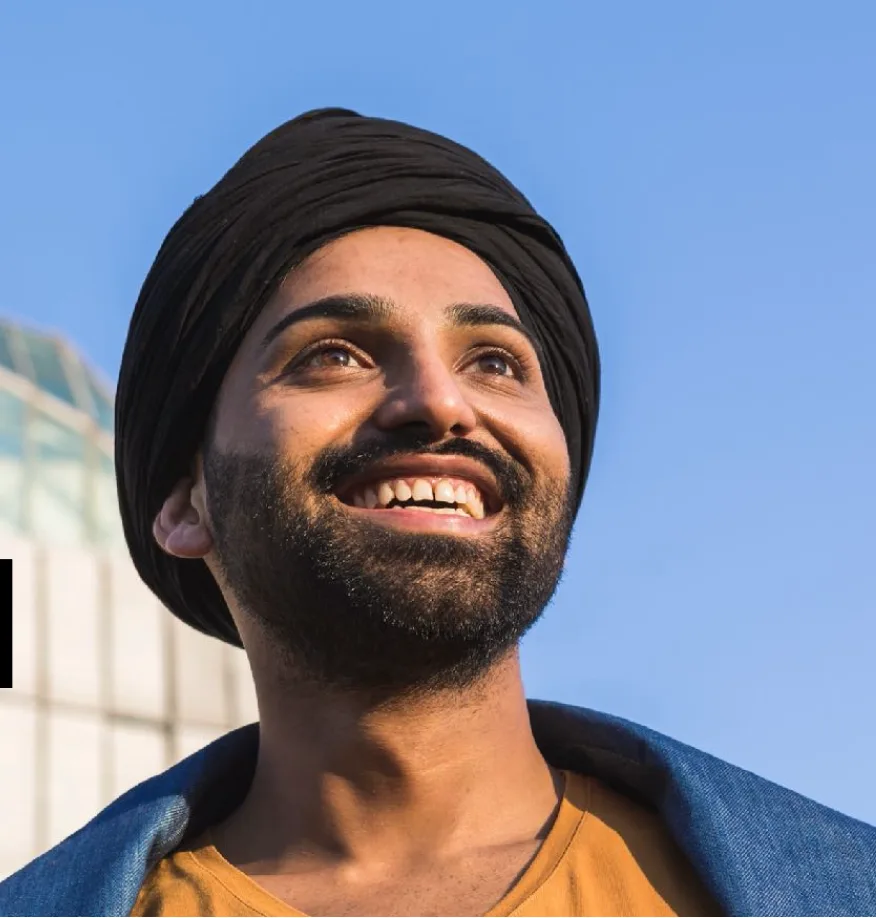
TOEFL Olympiad
A two-phase, full-funnel campaign that introduced the TOEFL Olympiad to India's Gen Z — turning study-abroad ambition into reach, a qualified database, and registrations that cleared every target set.
 Geotechnical · B2B
Rite Geosystems
Rite Geosystems had deep expertise in geotechnical instrumentation and infrastructure monitoring that the US market could barely find online. MarkAge360 built an integrated system across US-focused SEO, engineering content, website optimisation and social media, making the brand discoverable for the products, applications and engineering problems central to its market.
01 / 12 · selected build
View caseEngineered with
Expanded stack
Native mobile
Cross-platform
Backend & database
AI-assisted engineering workflow
Cursor · Claude Code · OpenAI Codex · GitHub Copilot
Related digital services
Digital projects usually touch more than one branch. These sibling pages keep the service architecture connected without forcing every detail into one long page.
Mobile App Development FAQ
Straight answers on scope, cost and timelines, native vs cross-platform, and the work that keeps an app live and growing.
We take a mobile product from idea to the stores and beyond — discovery and architecture, UI/UX design, native or cross-platform engineering, the back end and APIs, authentication, push notifications, offline sync, third-party integrations, QA on real devices, and App Store and Play releases. After launch we monitor crashes, performance, and analytics so the app keeps earning its place on the home screen. You can engage us for the full build or for a defined slice such as a rebuild or a new feature set.
Cost depends on scope — the number of screens and user roles, whether you need iOS, Android, or both, the depth of the back end and integrations, and requirements like offline mode, payments, or real-time data. We price after a short discovery so the estimate reflects your actual app, and we'll usually propose an MVP first and a phased roadmap after it. You get a clear breakdown of what each phase covers before any code is written, with no open-ended billing.
A focused MVP typically reaches the stores in a few months, while a larger app with complex back-end logic and many integrations takes longer. We work in stable, testable sprints so you see working builds early instead of waiting for one big reveal. App Store and Play review adds a few days at the end, which we plan for so submission doesn't become a surprise bottleneck.
It depends on the product. Cross-platform stacks like React Native and Flutter let one codebase serve iOS and Android, which is often the faster, more cost-effective path for most consumer and business apps. We recommend fully native (Swift or Kotlin) when an app leans heavily on device hardware, demanding graphics, or platform-specific features. MarkAge360 makes that call with you during discovery based on your features, budget, and timeline rather than defaulting to one stack.
Yes. We prepare store listings, screenshots, and metadata, set up the developer accounts and signing, and manage the submission through Apple and Google review. We also set up CI/CD so future updates ship cleanly, and we handle the ongoing releases, OS-version compatibility, and policy changes that keep the app published. You stay the owner of the accounts and the code throughout.
We build security in from the architecture stage — encrypted data in transit and at rest, secure authentication and token handling, least-privilege API access, and careful use of device permissions. We collect only the data the app needs, document it for the App Store and Play data-safety disclosures, and align consent and storage with privacy regulations relevant to your users. Sensitive flows like payments and logins are tested before release and monitored after launch.
Tell us the business problem. We'll map the service mix and come back with a written proposal.