Foundations & principles
We start from the brand inputs — strategy, identity, and the principles that should hold true everywhere — and turn them into the foundational decisions a system is built on: the base grid, scale, and rules of the road.
 Let's talk!
Brand Guidelines & Design Systems
A logo and a palette aren't a system. A design system is the connected machinery that keeps a brand consistent across every product, channel, and team — design tokens for colour, type, spacing and radius; a component library built from those tokens; usage rules and do's & don'ts; and living guidelines anyone can pull from. MarkAge360 builds that system from the foundations up: tokens at the root, components assembled on top, governance baked in — so the brand stays itself whether a new hire, a vendor, or an agency is shipping it.
System approach
A design system isn't a folder of files — it is one connected source of truth. We set the foundations and principles, encode them as design tokens for colour, type, spacing and radius, assemble components directly from those tokens, write the usage rules and clear-space specs that govern them, then publish a living, navigable guidelines doc with the component library inside. Foundations, tokens, components, rules, and the published system run as one build — so the brand stays consistent everywhere it ships.
We start from the brand inputs — strategy, identity, and the principles that should hold true everywhere — and turn them into the foundational decisions a system is built on: the base grid, scale, and rules of the road.
Those decisions become design tokens — named values for colour, type, spacing, and radius — that populate a single token grid. One source defines every value, so a change at the token level ripples through the whole system at once.
Components snap together straight from the tokens — buttons, inputs, cards, and patterns — each one a reusable, accessible building block. Teams compose screens from the library instead of redrawing the same thing twice.
Every component and asset gets the rules that govern it — clear-space and spacing specs, do's & don'ts, and accessibility and usage guidance — so the system stays correct even when it's applied by people who didn't build it.
Finally it ships as a living, navigable guidelines doc with the component library inside — versioned, searchable, and always current. The colour paints in across the system, so the brand is consistent the moment anyone opens it.
Selected work
Tokens, components, usage rules, and the published guidelines stay connected while the design-system work scrolls past — built from the foundations up, governed everywhere it ships.
We inventory the existing UI, marks, and patterns, find the drift, and set the foundations — grid, scale, and the principles the system has to encode.
Colour, type, spacing, and radius become named tokens in one source — themeable, platform-agnostic, and the single root every component reads from.
Accessible, reusable components built from the tokens — buttons, inputs, cards, and patterns — with variants, states, and props documented per component.
Usage rules, clear-space and do's & don'ts, contribution guidelines, and versioning — so the system stays correct and keeps evolving without fragmenting.
The living guidelines doc ships with the library inside — searchable, versioned, and rolled out to product, brand, and partner teams with onboarding support.
 Infrastructure · B2B
Encardio Rite
Encardio Rite had decades of geotechnical engineering authority the internet could barely see. MarkAge360 built an integrated SEO, content and executive-branding system that grew monthly organic traffic from around 800 to as many as 70,000, with page-one visibility across five markets: India, the USA, the UK, the UAE and Australia.
 Consumer · Brand campaign
Apple Switchers Campaign
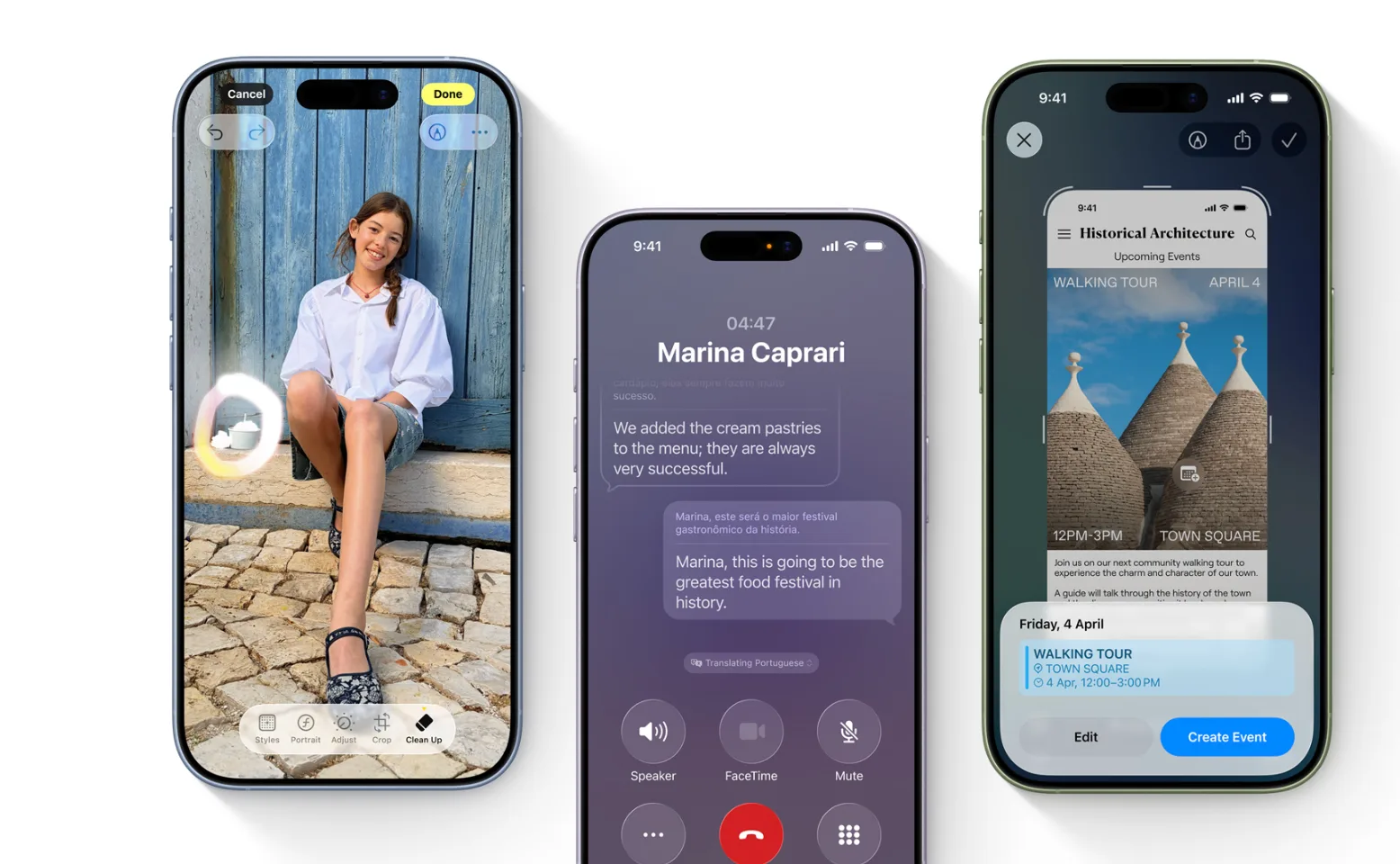
Apple wanted non-Apple users across India's metros to reconsider iPhone. MarkAge360 ran a video-led brand campaign that showed what the Apple experience offers and how easy switching can be.
 Automotive Marketing
Acton Service Centre
Five years running every marketing channel for a West London MOT and service garage, and building the software behind it. Organic traffic up 2,400%, revenue up 900%, and a first party customer database past 100,000.
 Legal · Solicitors
Clifford Harris & Co
Clifford Harris & Co has advised businesses and families from London's West End since 1957, but its digital presence did not carry that standing. MarkAge360 rebuilt the firm online: a sharper brand expression, a website organised around how clients actually choose a solicitor, and search foundations written into every practice area.
 Commercial · Tile Retail
Ferreira's
Ferreira's sells luxury Italian porcelain from a showroom on West End Lane in West Hampstead, and designs, supplies and fits it too. We ran their marketing as one system for two years: identity, a bathroom-led catalogue, search, and paid media built around a product people research for months and buy in person.
 Higher Education
Institut Français India
MarkAge360's demand-generation system for Institut Français India: paid media, education affiliates, and lifecycle messaging run as one connected student-acquisition engine. It beat the Choose France lead target by 47% and returned an 8:1 ROI, with ₹8 back for every ₹1 spent.
 Wellness · Subscription
OJO Life
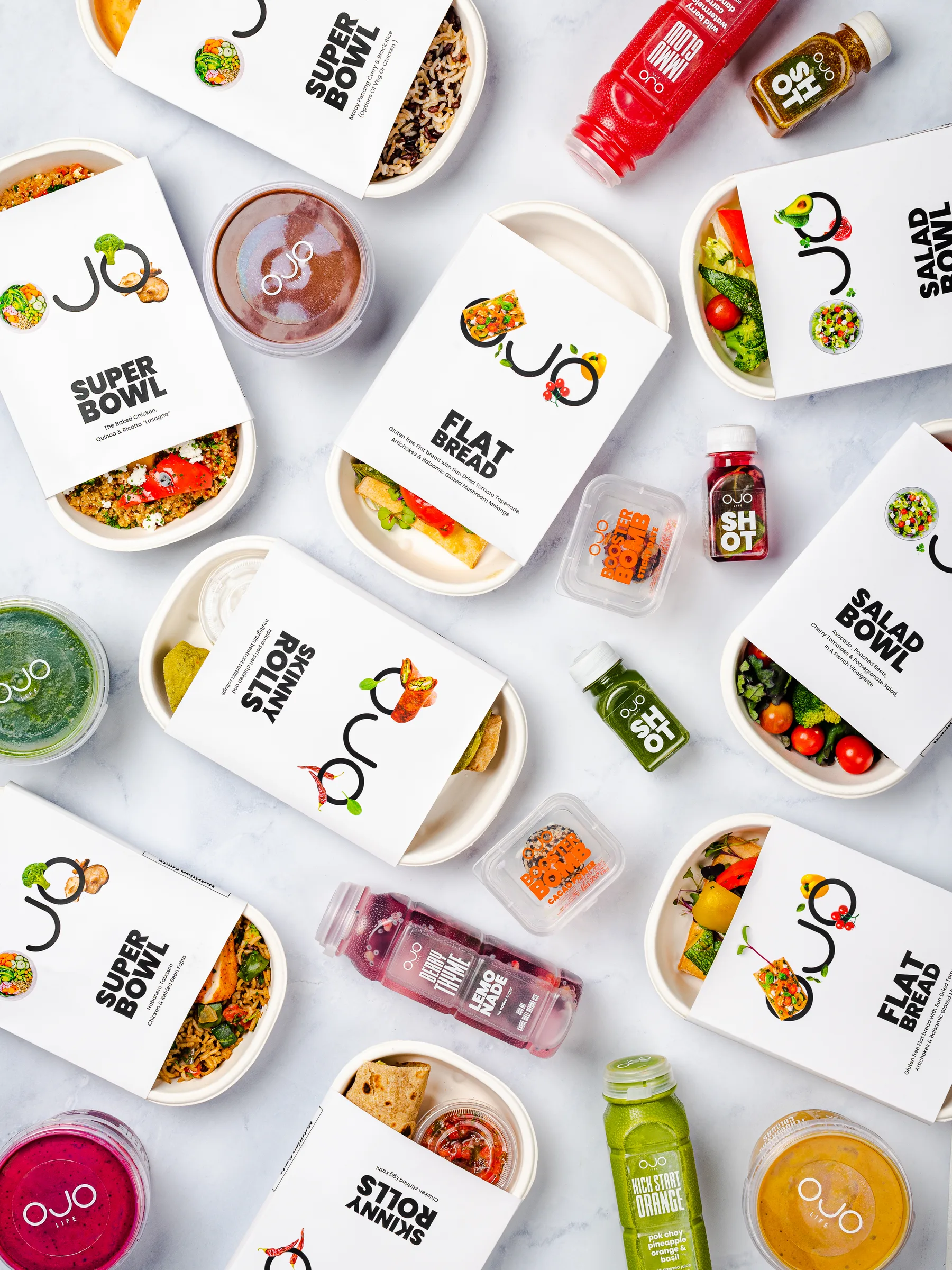
OJO Life is a Delhi NCR wellness and meal-subscription brand that had spent two years stuck against its revenue ceiling. MarkAge360 built one connected wellness marketing growth system.
 Higher Education
Study in India · GMAC
GMAC's Study in India mandate, 2018 and 2019 combined: 00,000 in global media across two campaign years, and 24,000+ qualified student enquiries from 40+ countries.
 Higher Education / Test Prep
The GMAT Exam by GMAC
Seven years, four regional mandates, 400,000+ leads across 20+ countries — work that began at King Crescent and moved to MarkAge360 at founding. What began as a one-year Middle East & Africa test grew into GMAC’s four-region growth partnership, every expansion earned on delivered numbers.
 Education / Test Prep
Aakash iACST
Aakash's iACST is an always-on scholarship test. The mandate: hit the lead target for the August flight and cut cost at every stage. MarkAge360 delivered a 12% lead-to-conversion rate, with cost per lead down 15% and cost per conversion down 28%.
 Education / Study Abroad
TOEFL Olympiad
A two-phase, full-funnel campaign that introduced the TOEFL Olympiad to India's Gen Z — turning study-abroad ambition into reach, a qualified database, and registrations that cleared every target set.
 Geotechnical · B2B
Rite Geosystems
Rite Geosystems had deep expertise in geotechnical instrumentation and infrastructure monitoring that the US market could barely find online. MarkAge360 built an integrated system across US-focused SEO, engineering content, website optimisation and social media, making the brand discoverable for the products, applications and engineering problems central to its market.
01 / 12 · design-system work
View caseTools we build design systems in
Related brand services
Brand projects usually touch more than one branch. These sibling pages keep the service architecture connected without forcing every detail into one long page.
Brand Guidelines & Design Systems FAQ
Straight answers on what a design system includes, how it’s scoped and priced, and how it keeps a brand consistent at scale.
Brand guidelines are the rulebook — logo usage, colour, type, tone, and do’s & don’ts. A design system is the working machinery behind them: design tokens at the root, a component library built from those tokens, usage specs, and a living, published doc teams pull from. We deliver both as one connected source of truth, so the rules and the reusable parts never drift out of sync.
We build it in layers: foundations and principles, design tokens for colour, type, spacing and radius, an accessible component library assembled from those tokens, usage rules with clear-space and do’s & don’ts, and a published, navigable guidelines site with the library inside. Depending on your stack we can hand off tokens for design tools and code, so designers and engineers work from the same definitions.
Scope drives both. A focused guidelines doc plus core tokens and a starter component set is a few weeks; a full multi-platform system with governance runs longer. We price by phase — foundations and tokens first, then components, then the published doc — so you see value early and decide how far to extend. We share the scope and a fixed estimate before we start.
If one person ships everything, a logo and palette can stretch a while. The moment new hires, vendors, agencies, or multiple products are involved, consistency breaks down and every screen gets rebuilt from scratch. A system pays off when more than one team or tool touches the brand — it keeps things consistent and lets people compose from a library instead of redrawing it.
We design the component library in Figma and encode shared values as design tokens that can export to code variables, so design and development stay aligned. The published guidelines live as a versioned, searchable site your team can navigate. We work with your existing front-end framework where there is one, rather than forcing a switch.
Because everything traces back to tokens, a change at the root ripples through every component and screen at once — no manual sweep. We bake in governance: versioning, usage rules, and accessibility guidance so the system stays correct even when applied by people who didn’t build it. The living doc is updated as the brand evolves, so what teams reference is always the current truth.
Tell us the business problem. We'll map the service mix and come back with a written proposal.